The global financial industry is changing rapidly, and ethical finance is becoming more important than ever. Today, Islamic finance is recognized worldwide as a transparent, fair, and ethical financial system. As a result, the demand for highly qualified Islamic accounting and finance professionals continues to grow across financial institutions, audit firms, regulatory bodies, and corporate organizations.
An AAOIFI-aligned Islamic Accounting Course leading to the Certified Islamic Professional Accountant (CIPA) is one of the best ways to build a successful career in this expanding industry. Minhaj Advisory ‘s AAOIFI CIPA Preparation Course equips learners with the knowledge and practical skills required to pursue the Certified Islamic Professional Accountant (CIPA) certification. The programme offers Islamic accounting, Shari’ah-compliant financial reporting, audit,AAOIFI Financial Accounting Standards, Shari’ah Standards, assurance, governance and ethical financial management.
Whether you are a student, graduate, accountant, auditor, finance professional, aspiring Islamic finance practitioner or entrepreneur , Minhaj Advisory’s CIPA Preparation course can help you develop practical skills and professional competencies needed to pursue the CIPA certification and open doors to global career opportunities in Islamic finance.
What is an Islamic Accounting Course?

An Islamic Accounting Course is a specialized professional program that provides learners with a comprehensive understanding of accounting principles and financial reporting in accordance with
Islamic financial laws and Shari’ah guidelines. Unlike conventional accounting systems, Islamic accounting follows ethical financial principles that prohibit interest (Riba), uncertainty (Gharar), and unethical investments and applies accounting principles within a Shari’ah-compliant framework. .
The course focuses on financial transactions and reporting reflect the principles of financial transparency, accountability, fairness, and socially responsible financial practices. with Islamic ethical values while adhering to internationally recognized AAOIFI standards.
The CIPA Preparatory Islamic Accounting Course helps learners develop knowledge of:
- Islamic accounting principles and concepts
- Shari’ah-compliant financial reporting and disclosures
- Governance and ethics in Islamic finance
- Audit and assurance in Islamic financial institutions
- AAOIFI Financial Accounting Standards (FAS)
- Shari’ah Standards applicable to Islamic financial institutions
- Accounting treatment of Islamic finance transactions
- Regulatory and compliance requirements for Islamic financial institutions
As Islamic finance industry continues to expand globally, professionals with expertise in Islamic accounting and financial reporting are becoming highly valuable across the financial industry.
Why Choose an Islamic Accounting Course?
Choosing an Islamic Accounting Course such as Minhaj Advisory’s CIPA Preparation Course is an excellent way to develop specialized expertise in Islamic accounting and advance your professional career.As the Islamic finance industry is now one of the fastest-growing sectors in the global economy, the demand for professionals with knowledge of Islamic accounting, financial reporting, auditing, governance, and Shari’ah compliance continues to increase.
Growing Global Demand
Islamic banks, financial institutions, audit firms, regulatory bodies, and corporate organizations are expanding across Gulf countries, Malaysia, Europe, and increasing demand for qualified Islamic accountants, auditors, compliance specialists, and finance professionals who possess expertise in AAOIFI standards and Shari’ah-compliant financial reporting. other international markets. This growth has created increasing demand for qualified Islamic accountants, auditors, compliance specialists, and finance professionals who possess expertise in AAOIFI standards and Shari’ah-compliant financial reporting.
Ethical Financial Knowledge
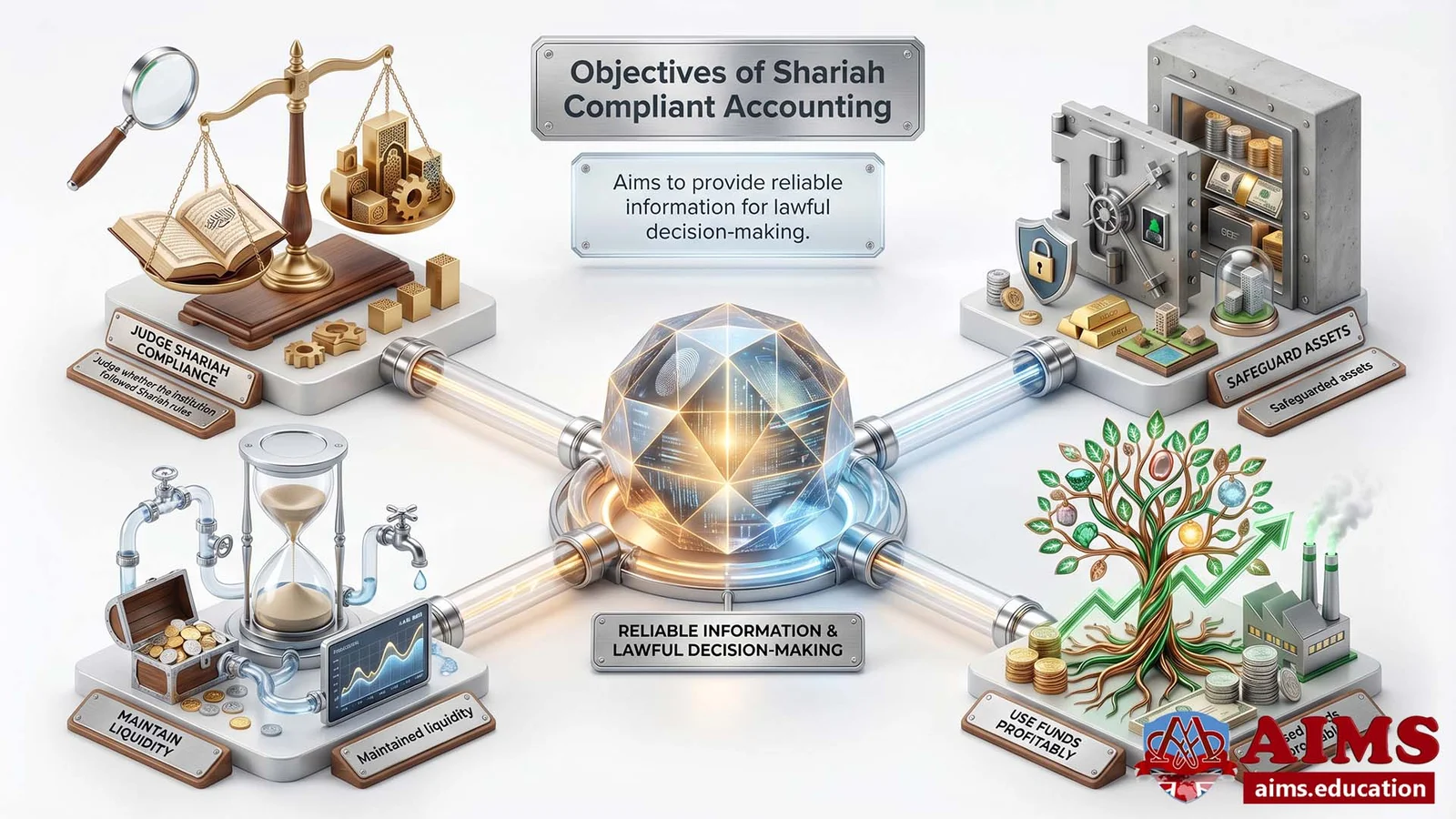
The CIPA Preparation Course equips learners with a strong understanding of Islamic accounting, ethical financial reporting, professional integrity, corporate governance, and Shari’ah-compliant accounting practices. Based on the AAOIFI framework, it promotes ethical financial management, transparency, accountability, ethical standards and responsible investing in Islamic financial institutions. Many organizations now prefer ethical financial systems that support sustainable growth.
Career Advancement Opportunities
Completing Minhaj Advisory’s CIPA Preparatory Islamic Accounting Course equips professionals with the knowledge required to pursue the Certified Islamic Professional Accountant (CIPA) qualification, improve their credentials for careers
in Islamic banking, auditing, accounting, Shari’ah compliance, governance, and financial reporting and consulting.
International Career Scope
Professionals with expertise in Islamic accounting qualifications can access global career opportunities in Islamic banks, financial institutions, audit firms, and regulatory organizations across global markets.
Why Study the Islamic Accounting Course at Minhaj Advisory?
Minhaj Advisory is a trusted provider of professional training in Islamic accounting and finance. Our AAOIFI CIPA Preparatory Course is designed to help candidates build a strong foundation in Islamic accounting, financial reporting, auditing, governance, and Shari’ah compliance. With experienced instructors, practical learning, and a career-focused approach, we prepare learners to confidently pursue the Certified Islamic Professional Accountant (CIPA) qualification.
Industry-Focused Curriculum
Minhaj Advisory’s CIPA Preparatory Islamic Accounting Course combines practical insights with theoretical knowledge to help learners understand Islamic accounting, AAOIFI standards, financial reporting, auditing, governance, and Shari’ah compliance in today’s financial industry.
Expert Faculty Guidance
Learn from experienced industry professionals
with strong expertise in Islamic finance, accounting, AAOIFI standards, auditing, financial reporting, and Shari’ah compliance.
Practical Skill Development
The CIPA Preparatory course helps learners apply AAOIFI standards and understand the practical application of Islamic accounting, AAOIFI standards, financial reporting auditing, and Shari’ah compliance.
Flexible Learning Support
Our flexible learning approach enables learners to improve their professional qualifications while balancing their professional, academic, or personal commitments.
Career-Oriented Training
The CIPA Preparatory Islamic Accounting Course equips learners with the knowledge and skills needed to pursue professional careers in Islamic banks, accounting firms, regulatory bodies, and financial organizations.
Benefits of Joining an Islamic Accounting Course
Enrolling in Minhaj Advisory’s CIPA Preparatory Islamic Accounting Course offers valuable benefits for students and graduates, accountants, auditors, and finance professionals.
Professional Career Growth
The CIPA Preparatory course enhances learners’ expertise in Islamic accounting, auditing, governance, and financial reporting helping them advance their careers in Islamic finance industry.
High Industry Demand
There is increasing demand in Islamic financial institutions -as the Islamic finance industry continues to grow
Better Employment Opportunities
The CIPA Preparatory Course can help learners pursue career opportunities in:
Islamic banks
Financial institutions
Auditing and Assurance firms
Accounting and consulting firms
Shari’ah advisory firms
Takaful companies
Regulatory bodies
Corporate finance and Compliance departments
Ethical and Meaningful Career
The CIPA Preparatory Course promotes ethical accounting practices, professional integrity,
for qualified professionals with expertise in Islamic accounting, AAOIFI standards, financial reporting, auditing, and Shari’ah compliance. fairness, transparency, and responsible financial practices, helping learners build rewarding career in the Islamic finance industry.
Competitive Career Opportunities
The growing demand for Professionals with Islamic accounting, financial reporting, auditing, and Shari’ah compliance expertise creates excellent Competitive career opportunities across the global Islamic finance industry.
Who Should Join the Islamic Accounting Course?
The CIPA Preparatory Islamic Accounting Course is suitable for individuals – students and professionals- who want to develop expertise in Islamic accounting and advance their careers in the Islamic finance industry.
Students and Graduates
Students and graduates in commerce, accounting, finance, or related disciplines
can build strong career foundations in Islamic finance and prepare for a successful career in the Islamic finance industry.
Accountants and Auditors

Accountants and auditors can expand their expertise
in Islamic accounting, financial reporting, and auditing practices to support their professional growth.
Banking and Finance Professionals
Employees working in financial institutions and regulatory organizations can enhance their professional qualifications and industry knowledge to advance their careers.
Entrepreneurs and Business Owners
Entrepreneurs and Business owners can gain a better understanding of Islamic accounting principles and Shari’ah-compliant financial practices to support informed business decisions.
Islamic Banking Aspirants

Individuals planning to work in Islamic banking and finance industry can gain practical and industry-relevant knowledge through the CIPA Preparatory Course.
Career Opportunities After Completing the Islamic Accounting Course
Completing Minhaj Advisory’s CIPA Preparatory Islamic Accounting Course equipes learners with the knowledge required to access a wide range of career opportunities in the Islamic finance industry.
Islamic Accountant
Islamic accountants prepare and maintain financial records according to AAOIFI Financial Accounting Standards and Shari’ah- principles.
Shari’ah Auditor
Conduct Shari’ah audits and reviews to assess compliance
with applicable Islamic laws, Shari’ah requirements, AAOIFI standards, internal governance frameworks and ethical guidelines.
Islamic Banking Officer
Support Professionals work in Islamic banks operations, compliance, and customer-facing banking services
in Islamic financial institutions.
Financial Analyst
Financial analysts analyze financial information and evaluate business performance using Islamic
accounting principles and Shari’ah-compliant financial practices..
Compliance Officer
Support organizations in implementing AAOIFI standards, Shari’ah governance frameworks, and regulatory compliance requirements.
Takaful Executive
Apply Islamic accounting and financial reporting principles within Takaful companies and other Islamic financial institutions.
Financial Consultant
Consultants provide advisory services on Islamic accounting and financial reporting AAOIFI standards, and Shari’ah-compliant financial practices.
Importance of Ethical Finance in Modern Business
Today, ethical finance plays an increasingly important in the global economy. Organizations and stakeholders
are looking for transparent and socially responsible financial systems.
The CIPA Preparatory Course helps learners understand the principles of:
Islamic finance promotes:
Ethical financial reporting
Professional integrity and accountability
Shari’ah-compliant accounting practices
Corporate governance and ethics
Sustainable and responsible financial practices
Financial transparency
Fair trade systems
Social responsibility By developing expertise in these areas, learners are better prepared to contribute to ethical decision-making and effective financial management in Islamic financial institutions.
Skills You Can Gain from an Islamic Accounting Course
The Minhaj Advisory’s CIPA Preparatory Islamic Accounting Course helps learners develop technical and professional skills required to excel in Islamic accounting and the global Islamic finance industry.
Accounting and Financial Reporting Skills

Develop expertise in Islamic accounting principles, AAOIFI Financial Accounting Standards (FAS), and Shari’ah-compliant
financial reporting practices.
Analytical and Problem-Solving Skills
Strengthen your
ability to analyze financial information, interpret accounting standards, and solve accounting challenges.
Shari’ah Compliance Knowledge
Gain a comprehensive understanding of AAOIFI Shari’ah Standards, governance frameworks, Islamic financial laws, regulations, and compliance systems applicable to Islamic financial institutions..
Auditing Skills
Gain practical knowledge of auditing procedures, internal controls, governance, and compliance within Islamic financial institutions.
Ethical Decision-Making Skills
Build a strong foundation in professional ethics, integrity, transparency, and accountability to support responsible financial decision-making.
Communication and Professional Skills
Enhance your ability communicate financial information effectively, prepare professional reports, and collaborate confidently in professional environments.
Future Scope of Islamic Accounting and Finance
The future of Islamic accounting and finance is highly promising as the global Islamic finance industry continues to expand and adopt internationally recognized accounting and governance standards. This growth is creating increasing demand for qualified professionals with expertise in Islamic accounting and financial reporting.
Key industry trends include:
- Expansion of Islamic banking and financial services
Growing adoption of AAOIFI standards
- Rising demand for ethical investments
- Growth of Islamic fintech and digital financial solutions
- Increasing global recognition of Islamic finance
Greater emphasis on governance, transparency, and Shari’ah compliance. Professionals with Islamic accounting expertise will continue to remain valuable across the global Islamic finance industry.
Why Minhaj Advisory is the Best Choice for Islamic Accounting Education
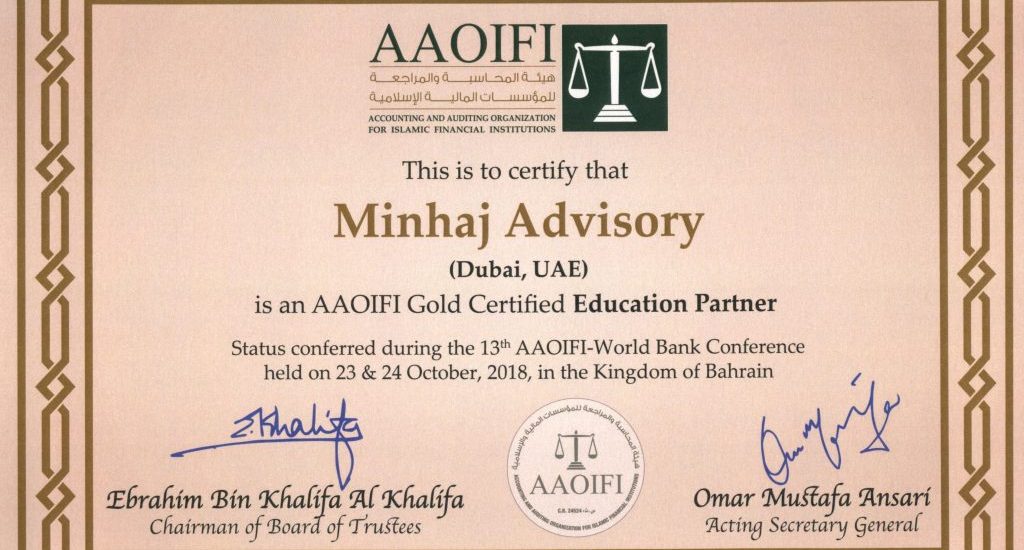
Choosing the right training provider is an important step toward achieving your professional goals. Minhaj Advisory’s CIPA Preparation Course is designed to equip learners with the knowledge, practical insights, and confidence needed to pursue the Certified Islamic Professional Accountant (CIPA) qualification.
Practical Learning Approach
Our CIPA Preparatory Course combines the theoretical concepts with practical examples to help learners understand complex financial concepts and AAOIFI standards in real-world Islamic financial institutions
Professional Expert Support
Learn from experienced industry professionals with expertise in Islamic accounting, AAOIFI standards, financial reporting, auditing, governance, and Shari’ah compliance.
Career Development Focus
We prepare learners with the knowledge and professional competencies needed to pursue rewarding careers in Islamic accounting, auditing, financial reporting, and Shari’ah compliance.
Quality Islamic Finance Education
Minhaj Advisory is committed to delivering high-quality, industry-focused training that supports learners in preparing for the Certified Islamic Professional Accountant (CIPA) qualification.