Islamic Finance Courses: A Complete Career Guide
- February 28, 2026
- Posted by: minhajadmpanel
- Category: Uncategorized

The global financial industry is undergoing a major transformation as ethical, transparent, and Shariah-compliant systems gain prominence. At the center of this shift lies Islamic finance—an industry rooted in principles of fairness, risk-sharing, and social responsibility. As demand for Shariah-compliant financial products continues to grow across regions, professionals with specialized knowledge are becoming increasingly valuable. This is where Islamic Finance Courses play a vital role.
Islamic Finance Courses provide structured, practical, and internationally aligned education for individuals seeking to build or advance their careers in Islamic banking, finance, auditing, compliance, and advisory services. These courses are designed to bridge the gap between traditional finance knowledge and Shariah-based financial systems, ensuring professionals are equipped with both ethical understanding and technical expertise.
In today’s competitive job market, employers prefer candidates with formal training and recognized certification. Islamic Finance Courses help learners gain in-depth knowledge of Islamic financial principles, products, governance frameworks, and regulatory standards. This makes them highly relevant for roles in Islamic banks, takaful companies, advisory firms, accounting institutions, and regulatory bodies worldwide.
Whether you are a student exploring career options, a finance professional seeking specialization, an auditor aiming to strengthen compliance expertise, or a business owner interested in Shariah-compliant financial solutions, Islamic Finance Courses open doors to global career opportunities. They also support professionals looking to transition from conventional finance into Islamic finance roles.
This complete career guide explores the growing importance of Islamic Finance Courses, the diverse career paths they unlock, and how Minhaj Advisory delivers industry-relevant training designed to meet modern professional and ethical requirements. Through globally aligned curriculum and practical learning, Minhaj Advisory empowers learners to succeed in the evolving Islamic finance landscape.
Understanding Islamic Finance and Its Growing Importance
 Islamic finance is a financial system governed by Shariah principles, which prohibit interest (riba), excessive uncertainty (gharar), and unethical business practices. Instead, it promotes profit-and-loss sharing, asset-backed financing, transparency, and social justice. These principles make Islamic finance appealing not only to Muslim-majority countries but also to global markets seeking ethical and sustainable financial alternatives.
Today, Islamic finance operates across a wide range of sectors including Islamic banking, insurance (takaful), capital markets, investment funds, and Sukuk (Islamic bonds). As financial institutions expand their Shariah-compliant offerings, the demand for skilled and knowledgeable professionals has increased significantly. Islamic Finance Courses play a critical role in meeting this demand by equipping learners with both conceptual understanding and practical expertise.
One of the key strengths of Islamic Finance Courses is their ability to translate Shariah principles into real-world financial applications. These courses cover Islamic contracts, banking products, governance structures, and compliance mechanisms, enabling professionals to understand how Islamic finance operates in practice. This structured learning approach helps bridge the gap between theory and industry requirements.
In a rapidly evolving financial landscape, regulatory compliance and ethical governance are more important than ever. Islamic Finance Courses provide in-depth knowledge of regulatory frameworks and internationally recognized standards such as AAOIFI. This ensures that professionals are well-prepared to maintain Shariah compliance, manage risk, and uphold institutional credibility.
Furthermore, Islamic Finance Courses support career development by preparing professionals for specialized roles in Islamic banks, takaful companies, advisory firms, and financial institutions offering Shariah-compliant products. As the global Islamic finance industry continues to grow, individuals with formal training and certification gain a competitive advantage in the job market.
Overall, the growing importance of Islamic finance has made professional education a necessity rather than an option. By enrolling in Islamic Finance Courses, learners not only gain technical expertise but also contribute to the development of ethical, transparent, and sustainable financial systems worldwide.
Why Islamic Finance Courses Are Essential for Career Growth
 The demand for qualified Islamic finance professionals continues to rise across the Middle East, Southeast Asia, Europe, and emerging markets. Financial institutions, advisory firms, consulting companies, and regulatory bodies actively seek individuals with certified expertise in Islamic finance to support their growing Shariah-compliant operations.
Islamic Finance Courses are essential because they equip learners with specialized knowledge that directly aligns with industry requirements. These courses go beyond general finance education by focusing exclusively on Shariah-compliant financial systems, making professionals highly relevant and job-ready.
Islamic Finance Courses Help Professionals By Providing:
-
A structured and in-depth understanding of Shariah principles applied to modern finance
-
Practical exposure to Islamic banking products, contracts, and financial instruments
-
Strong knowledge of Shariah compliance, governance, and auditing frameworks
-
Career credibility through internationally recognized Islamic Finance Courses and certifications
-
Improved employability in Islamic banks, takaful firms, advisory companies, and audit institutions
-
A smooth transition path for conventional finance professionals entering Islamic finance
Unlike traditional finance programs, Islamic Finance Courses emphasize ethical finance, transparency, and regulatory compliance. This specialized focus enables professionals to handle real-world Islamic finance challenges with confidence and competence.
For students and early-career professionals, Islamic Finance Courses build a solid foundation in Islamic financial principles and industry practices. For experienced professionals, these courses offer advanced specialization, career progression, and leadership opportunities within Islamic financial institutions.
Islamic Finance Courses Offered by Minhaj Advisory
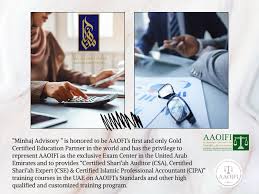
Minhaj Advisory is a trusted name in Islamic finance education and professional training, offering carefully designed Islamic Finance Courses that align with international standards and evolving industry needs. Each program emphasizes practical learning, professional relevance, and ethical excellence.
The Islamic Finance Courses provided by Minhaj Advisory are ideal for finance professionals, auditors, Shariah scholars, students, and corporate executives seeking specialized expertise in Islamic finance. The curriculum is structured to ensure learners gain both conceptual clarity and hands-on understanding of real-world applications.
Key Focus Areas of Islamic Finance Courses at Minhaj Advisory:
-
Fundamentals of Islamic finance and core Shariah principles
-
Islamic banking operations, products, and contract structures
-
Shariah compliance frameworks and governance models
-
Shariah audit processes and review mechanisms
-
Application of AAOIFI standards and regulatory alignment
-
Ethical risk management and internal control systems
-
Practical case studies based on real Islamic finance scenarios
Minhaj Advisory places strong emphasis on delivering high-quality Islamic Finance Courses through experienced industry professionals. This approach ensures learners develop confidence, technical competence, and ethical awareness, enabling them to perform effectively in professional Islamic finance roles.
Career Opportunities After Completing Islamic Finance Courses
 One of the strongest advantages of enrolling in Islamic Finance Courses is the wide range of career opportunities they unlock across the global Islamic financial ecosystem. As Islamic finance continues to expand, institutions increasingly rely on trained professionals who understand both Shariah principles and modern financial practices.
Graduates of Islamic Finance Courses can pursue careers across banking, auditing, advisory, capital markets, compliance, and governance functions. These roles are critical for ensuring Shariah compliance, operational efficiency, and ethical financial practices.
Common Career Paths After Islamic Finance Courses Include:
-
Islamic Banking Officer – Managing Shariah-compliant banking products and customer portfolios
-
Shariah Compliance Executive – Ensuring financial activities align with Shariah principles and regulatory standards
-
Shariah Auditor – Reviewing and auditing Islamic financial operations for compliance and governance
-
Islamic Finance Consultant – Advising institutions and clients on Shariah-compliant financial solutions
-
Sukuk and Capital Market Specialist – Structuring and managing Islamic capital market instruments
-
Shariah Advisory Associate – Supporting Shariah boards and advisory committees in decision-making
In addition to these roles, Islamic Finance Courses also prepare professionals for positions such as Islamic risk analyst, takaful operations executive, compliance manager, and internal Shariah reviewer. The specialized nature of these courses allows professionals to stand out in competitive job markets.
Islamic Finance Courses enable professionals to work in Islamic banks, takaful companies, advisory and consulting firms, accounting and audit firms, regulatory authorities, and multinational financial institutions offering Shariah-compliant products. The knowledge gained through these courses is highly transferable across regions and institutions.
As the Islamic finance industry continues to grow globally, professionals who have completed Islamic Finance Courses benefit from stronger career stability, higher professional credibility, and enhanced international mobility. With formal training and recognized certification, individuals are better positioned for long-term career growth and leadership roles within the Islamic finance sector.
The Role of AAOIFI Standards in Islamic Finance Education
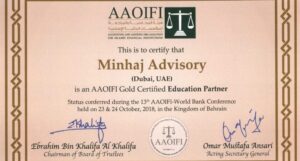 A key component of high-quality Islamic Finance Courses is alignment with AAOIFI (Accounting and Auditing Organization for Islamic Financial Institutions). AAOIFI standards provide globally recognized guidelines for accounting, auditing, governance, ethics, and Shariah compliance, forming the backbone of professional Islamic finance practices worldwide.
In today’s highly regulated financial environment, institutions require professionals who understand not only Shariah principles but also standardized implementation frameworks. Islamic Finance Courses aligned with AAOIFI standards ensure learners gain practical, industry-ready knowledge that meets global regulatory and institutional expectations.
Minhaj Advisory integrates AAOIFI principles into its Islamic Finance Courses to ensure learners develop a strong understanding of real-world compliance, governance, and auditing requirements. This structured alignment helps professionals confidently operate across different jurisdictions and Islamic financial institutions.
By Studying Islamic Finance Courses Based on AAOIFI Standards, Learners Gain:
-
Practical knowledge of Shariah compliance and regulatory frameworks
-
Clear understanding of AAOIFI accounting, auditing, and governance standards
-
Enhanced professional recognition within Islamic finance institutions
-
Global industry relevance and cross-border career opportunities
-
Improved credibility when working with Shariah boards and regulators
-
Strong foundations for roles in Shariah audit, compliance, and advisory services
-
Better preparedness for professional certifications and advanced Islamic finance roles
AAOIFI-aligned Islamic Finance Courses also help bridge the gap between academic learning and professional application. Learners are trained to interpret standards, apply them to real financial scenarios, and support institutions in maintaining ethical and compliant operations.
This strong focus on global standards makes Minhaj Advisory’s Islamic Finance Courses particularly valuable for individuals seeking long-term, sustainable careers in Islamic banking, finance, auditing, and Shariah advisory roles.
Who Should Enroll in Islamic Finance Courses?
 Islamic Finance Courses are designed for a diverse audience, making them suitable for individuals at different career stages and from various professional and academic backgrounds. As the Islamic finance industry continues to grow globally, these courses serve as a valuable learning pathway for both beginners and experienced professionals.
Islamic Finance Courses Are Ideal For:
-
Finance and accounting professionals seeking specialization in Shariah-compliant financial systems
-
Auditors and compliance officers who want to strengthen their expertise in Islamic finance governance and regulatory frameworks
-
Islamic banking staff aiming to enhance operational knowledge and advance their careers
-
Shariah scholars and students looking to apply Islamic jurisprudence to modern financial practices
-
Business owners and entrepreneurs interested in structuring Shariah-compliant business and investment models
-
Graduates aspiring to enter Islamic finance with strong foundational and practical knowledge
-
Conventional banking professionals planning to transition into Islamic banking and finance roles
-
Corporate executives and managers responsible for overseeing Shariah-compliant financial activities
Islamic Finance Courses offered by Minhaj Advisory are structured to accommodate learners with varying levels of experience. The curriculum progresses from fundamental concepts to advanced applications, ensuring a smooth and confident learning journey.
By enrolling in Islamic Finance Courses, learners gain access to practical knowledge, real-world case studies, and industry-aligned frameworks that support professional growth. Minhaj Advisory ensures its Islamic Finance Courses remain accessible, structured, and practical, empowering learners to build expertise and succeed in Islamic finance careers regardless of prior background.
How Islamic Finance Courses Support Ethical and Sustainable Finance
Beyond career advancement, Islamic Finance Courses play a crucial role in building ethical, transparent, and sustainable financial systems. Rooted in Shariah principles, Islamic finance promotes fairness, risk-sharing, and social responsibility—values that closely align with modern ESG (Environmental, Social, and Governance) goals embraced by global financial institutions.
By integrating ethical principles into financial decision-making, Islamic Finance Courses help professionals move beyond profit-driven models toward value-based finance. These courses emphasize accountability, transparency, and long-term sustainability, making them increasingly relevant in today’s socially conscious financial landscape.
Professionals Trained Through Islamic Finance Courses Play a Key Role In:
-
Strengthening ethical financial practices based on Shariah principles
-
Ensuring strict Shariah compliance and effective governance frameworks
-
Supporting inclusive and sustainable economic growth
-
Promoting responsible investment and asset-backed financing models
-
Reducing excessive risk, speculation, and unethical financial behavior
-
Enhancing trust and credibility within financial institutions and markets
-
Aligning Islamic finance practices with global sustainability and ESG objectives
Islamic Finance Courses also educate professionals on the social impact of financial decisions, encouraging investments that contribute to community development, financial inclusion, and economic stability. This ethical awareness is essential for institutions seeking long-term sustainability and stakeholder trust.
Minhaj Advisory emphasizes this ethical dimension throughout its Islamic Finance Courses, ensuring learners understand both the technical frameworks and moral responsibilities of Islamic finance professionals. Through structured learning and real-world applications, these courses prepare individuals to uphold ethical standards while driving sustainable financial growth.
Choosing the Right Institute for Islamic Finance Courses
Selecting the right training provider is crucial for maximizing the value of Islamic Finance Courses. A reputable institute should offer an industry-aligned curriculum, experienced faculty, practical learning opportunities, and professional recognition that supports long-term career growth.
Not all Islamic finance programs deliver the same level of quality or relevance. Choosing the right institute ensures that Islamic Finance Courses provide real-world skills, ethical grounding, and global applicability rather than purely theoretical knowledge.
Minhaj Advisory stands out by combining academic rigor with real-world industry expertise. Its Islamic Finance Courses are carefully designed to meet current market demands while preparing learners for future challenges in Islamic banking, finance, auditing, and advisory roles.
Key Reasons to Choose Minhaj Advisory for Islamic Finance Courses:
-
Industry-focused Islamic Finance Courses aligned with real institutional needs
-
Curriculum aligned with globally recognized standards such as AAOIFI
-
Practical and career-oriented learning with real-world case studies
-
Experienced faculty with hands-on Islamic finance and advisory expertise
-
Strong focus on Shariah compliance, governance, and ethical finance education
-
Structured learning pathways suitable for beginners and experienced professionals
-
Professional recognition that enhances employability and career credibility
-
Commitment to continuous learning and skill development in Islamic finance
By choosing the right institute, learners ensure that their investment in Islamic Finance Courses delivers lasting value. Minhaj Advisory’s approach equips professionals with the knowledge, confidence, and ethical responsibility required to succeed in the global Islamic finance industry.
Final Thoughts: Building Your Future with Islamic Finance Courses
Islamic finance is no longer a niche sector—it is a global industry with expanding opportunities. As demand for Shariah-compliant financial solutions increases, the need for skilled professionals continues to grow. Enrolling in Islamic Finance Courses is a strategic step toward a stable, ethical, and rewarding career.
With expert-led training, internationally aligned curriculum, and a strong focus on practical application, Minhaj Advisory provides Islamic Finance Courses that empower learners to succeed in today’s competitive financial landscape.
If you are looking to build expertise, enhance credibility, and contribute to ethical finance, Islamic Finance Courses are the right investment in your professional future.